We welcomed a new member to the group this evening. We had far ranging discussions, on a variety of topics, as usual.
- Our first speaker highlighted some of the difficulties of coping with your own issues while being a carer. Our friend had six hospital appointments in one week, giving rise to stress and seemingly endless travel and delays while waiting to be seen. Added to that, letters mistakenly demanding money contributing to anxiety. The need to take the person being cared for to a tricky hospital appointment is “just” another layer of stress.
- The second speaker thanked Janet for raising points about reviewing a diagnosis, when experience raises questions about the type of dementia a person has. Their mother had returned to the memory clinic and had been told she actually has Vascular dementia and Lewys Bodies, with a possibility of Alzheimer’s – instead of Alzheimer’s with Vascular dementia. The key result is that the medication has been changed and their mother is much calmer and less prone to hallucinations.
- Our new member discussed the issues his father had with being moved out of a care home, into hospital and then into a new home with continuing care payments. We have discussed the financial impact of care in previous sessions. The NHS provide guidance on continuing care funding here.
- The final discussion was around changing reactions to living at home with a fluctuating number of long term (family) guests. Whereas, in the past, the person with dementia had been happy in a lively family environment, now they had difficulty keeping-up with conversations and keeping track of who was who. A quieter home might be the answer, but husband and wife living just as a couple would be a big change for both of them – would it work? would they be bored? Recognising and coming to terms with the “new normal” is a challenge.
I then presented the following, before our regular 10 minute meditation session.
Benefits of reminiscence therapy for dementia
Reminiscence therapy can give people with dementia a feeling of success and confidence because it’s something they’re still able to do. It gives them an opportunity to talk and share something meaningful rather than just listen.
Talking about happy memories of the past also brings joy, which is especially helpful if someone is having a hard time with everyday life – it helps them cope with stress.
The difference between reminiscing and remembering
Reminiscing is not the same as asking someone to remember something from the past.
Remembering something specific, even from long ago, can be stressful for someone with dementia because they’re likely to feel pressured or put on the spot. In contrast, when a pleasant memory floats up and they share it with you, they’ll feel good.
For example, a pwd might not remember right away when you ask even a simple question like “Where did you grow up?” But if you’re looking through old photographs, they might spontaneously say “Oh look, there’s my house. My mom baked my favourite cakes every Saturday. They were so good.”
What to do if reminiscence brings up painful memories
You never know which memories will come up when reminiscing about the past. Sometimes a painful or unhappy memory will surface. This isn’t necessarily a bad thing, but you’ll need to respond with kindness and understanding.
You know your pwd best so if this comes up you’ll have a better idea of whether it’s best to listen and offer support so they can feel better by telling the story or if it’s wiser to kindly steer them toward a happier memory so they won’t get stuck in a sad, distressed state.
How to make reminiscence therapy successful
The goal of reminiscence activities is to enjoy time together and set the stage so your pwd has a chance to talk about any memories that come up.
For best results, plan for a time of day when they’re most interested in activities, maybe earlier in the day. Choose a quiet, comfortable location where they’ll be able to hear and see you well.
If your pwd doesn’t recall any memories during the activity, that’s ok – maybe nothing came to mind at that moment. You could offer comments about yourself that might help spark a memory for them (like “This reminds me of going dancing”), but there’s no need to pressure them. With or without reminiscing, they’ll still enjoy these activities.
4 reminiscence activities
Memories can be associated with different parts of the brain, so it’s helpful to try activities that stimulate different senses. This is the time to use your imagination and get creative.
1. Listen to their favourite music
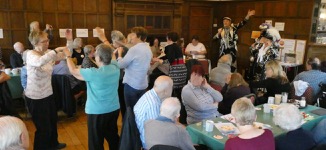
Music helps people reminisce and relate to emotions and past experiences. That’s why it’s often recommended for those with dementia. Music can even reach pwd at a very advanced stage.
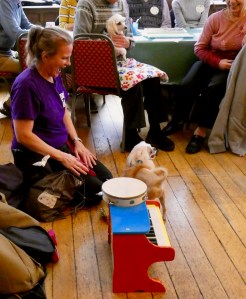
You can play their favourite songs, have a little sing-along, or play music on simple instruments like shakers, bells or tambourines, or a DIY drum.
2. Look through photos or keepsakes
Pictures or keepsakes that bring back memories are another excellent way to reminisce. Photos of family, friends, and important life events are always good choices.
Photos of things that remind them of favourite hobbies are also great. For example, someone who loves to garden might enjoy looking at a gardening magazine or plant catalog. Someone who loved to cook might like a gourmet magazine with beautiful food photos. The same goes for sports, crafts, historical events, etc.
3. Smell familiar scents and taste favourite foods
Smell is a powerful way to access memories. You could create scent cards or jars with smells that remind them of favourite foods (use spices) or a location like a pine forest near their childhood home (use fresh pine needles or pine scented sticks.
Taste is another way to evoke fond memories. Maybe they always made a special dish for holiday celebrations – you could make it for them and reminisce while eating together. Or maybe you could recreate a favourite snack they made for you as a treat when you were young.
4. Enjoy tactile activities like painting, pottery, or other crafts
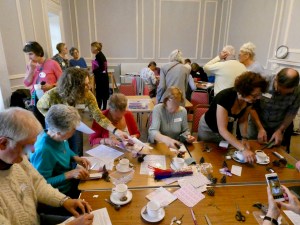
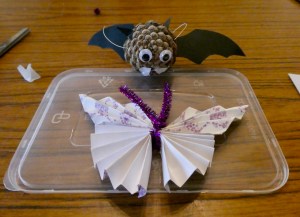
Touch can also remind someone of the past. Familiar tactile activities like drawing, painting, pottery, knitting, sewing, or other crafts can spark old memories. Even if they can’t participate in these hobbies anymore, doing things like touching paintbrushes, swirling watercolours, scribbling with drawing chalk, squeezing yarn, or playing with fabrics can evoke strong memories.
Another way to use touch is through objects. Maybe wearing or handling favourite pieces of jewellery or accessories (like a watch or a necklace) would bring up memories of significant life events. Other ideas would be to bring out a significant piece of clothing (maybe a dress or suit) that they use to love or wear to important events.























 Reflections