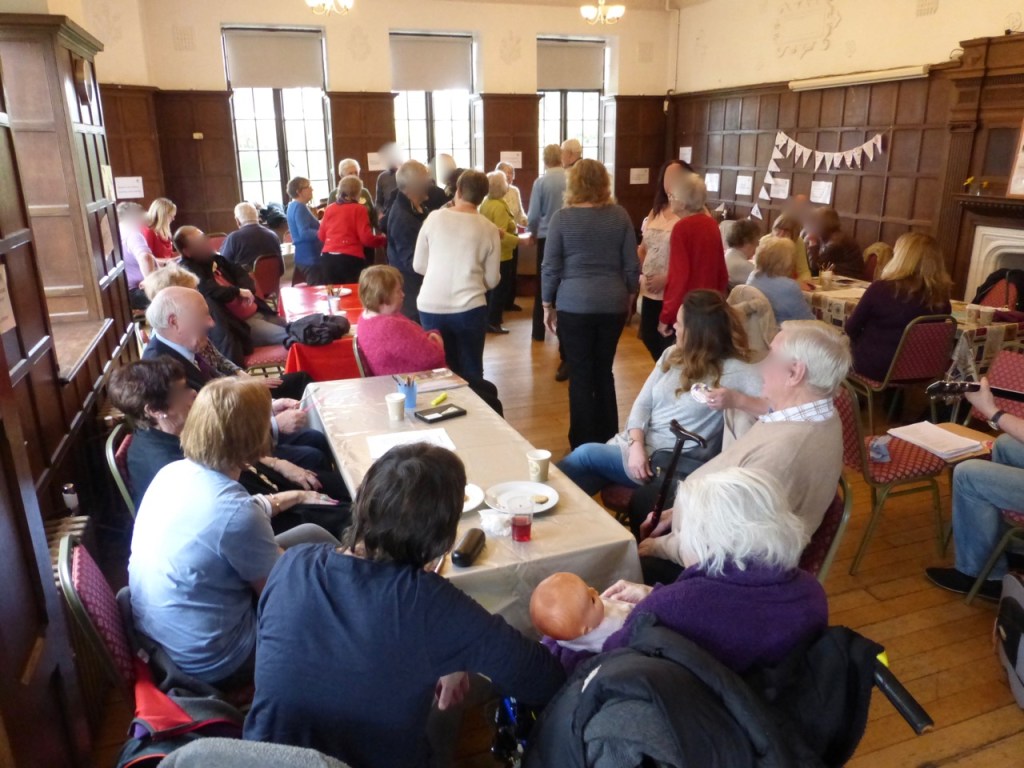
We welcomed a new member to the group and had our usual broad ranging discussion. The group emphasised the need for carers to look after themselves and contact their doctor if they had concerns about changes in the behavior of the person they cared for.
I agreed to circulate an initial draft of out Carers’ Toolkit, built on the input from group members (carers and volunteers) over the last year. While that is being written you might be interested in some advice from the Australia government. The final section is particularly appropriate for this evening’s discussion.
Caring for someone with dementia
Caring for someone with dementia can be challenging both physically and emotionally. If you’re caring for someone living with dementia, it’s important to understand that if their behaviour changes, it may not be anyone’s fault. It can be a good idea to talk to a health professional.
Dementia can influence a person’s behaviour including “wandering”, depression, anxious or agitated states, aggression, hallucinations and false ideas, and loss of inhibition. Although these can be upsetting, there are many strategies that may help.
Some of the tips below may help you to look after a person with dementia, and to also manage your caring responsibilities.
Behaviour and health care advice
How do I manage our communication needs?
You may notice changes in the way the person you care for communicates with you. For example, they may find it hard to find a word, speak fluently, understand, write, read or express emotions. They may also lose normal social conventions of conversation and may ignore what you’re saying or interrupt you.
Here are a few tips for communicating with someone who has dementia:
- consider other causes of communication difficulties, for instance having their hearing and eyesight checked to make sure that they aren’t a factor
- stay calm and allow time for them to understand and respond to you
- remember that they still have feelings and emotions even though they may not always understand what you’re saying
- use short, simple sentences and help orientate them by describing what you’re about to do, who is about to visit and their relationship with this person
- try not to argue, be condescending, order the person around, ask questions that rely on a good memory or talk about them in the presence of other people
- use positive body language and touch because this is an important part of communication
- be consistent in your approach to communication
- try to avoid talking in a noisy environment.
How do I manage their eating and nutrition needs?
If someone has dementia, their eating and drinking habits should be carefully monitored no matter if they live in their own home or in a care home. This is because people with dementia may forget to eat and drink, and they may also find it difficult to chew and swallow. Here are a few tips to help you manage their eating and nutrition needs:
- ask their doctor to check that there isn’t a treatable cause of appetite loss, such as acute illness, depression or denture pain
- offer snacks and meals regularly, perhaps trying 5-6 small meals a day
- try an alarm or phone call to remind them about mealtimes
- only serve one course at a time
- serve foods that are familiar to them
- avoid using plates with patterns
- demonstrate chewing if this seems to be the problem, and eat with the person so that they can copy you
- if they’re having difficulty with cutlery, perhaps serve them finger foods instead
- consider nutrition supplements, particularly in later stages of dementia when people tend to lose a lot of weight. Ask a dietitian or doctor about what supplements might be helpful
- offer drinks regularly. This is particularly important in hot weather
- encourage and find ways for them to participate in regular physical exercise.
How do I manage their hygiene needs?
You may find that the person you’re caring for loses interest in maintaining their personal hygiene. Here are a few tips to help you manage their hygiene needs:
- be patient and encouraging about bathing, making certain there’s enough warmth and light in the bathroom
- play calming music if they like this and choose the best time of day for them for personal care. For example, they may be calmer in the morning so this might be the best time to look after these needs
- offer limited options, such as the choice between a bath or a shower
- use simple step-by-step instructions
- lay out the items needed for a bath or shower in sequence
- address their fears of water, of falling and of feeling out of control if these are issues. For example, use a basin for washing or a hand-held shower.
Other hygiene needs they may require help with include toileting, shaving, cleaning ears, providing fresh clothes, and maintaining dental care and personal grooming.
How do I manage their continence needs?
When a person has dementia, their mental functions decline and this may result in incontinence (the term used to describe the loss of control of the bladder and/or bowel). This is because being in control of these functions depends on being aware of bodily sensations such as the feeling of having a full bladder and the memory of how, when and where to respond.
There are many ways to manage incontinence including respecting the person’s privacy and dignity in what can be a humiliating situation. Here are a few tips to help you manage their continence needs:
- observe patterns of when the person empties their bladder and/or bowel and use this pattern to remind them, at regular intervals, to go to the toilet
- watch for non-verbal clues such as pulling on clothes and increased agitation, and when this happens, use short, simple words to suggest they go to the toilet
- make sure the bathroom isn’t too far away, the bed isn’t too high to get in and out of, the toilet paper can be easily seen and the room the toilet is in is clearly marked
- consider installing nightlights in the hallways and in the toilet to help them find their way to the toilet at night
- install raised bars to help them get on and off the toilet
- use clothing with elastic and Velcro waistbands so they can easily remove clothing and put it back on again
- use continence aids and appliances such as pads if necessary
- introduce regular low-caffeine drinks, a high fibre diet and a regular exercise routine.
How do I manage their sleeping habits?
People with dementia may be confused between night and day, making sleeping during the night difficult. Their sleeping habits may also be affected by:
- changes in their brain’s biological clock
- medical conditions
- side effects of medication
- depression
- urinary tract infections causing frequent need for toileting
- arthritis
- sleep apnoea.
Sleeplessness can also be caused by:
- going to bed too early
- not getting enough exercise
- drinking too much caffeine or alcohol
- feeling hungry
- feeling too cold or too hot
- poor lighting
- changes to daily routines.
Ask a doctor if the cause of sleeplessness can be treated. For example, the sleeplessness might be due to depression or the side effects of medication.
How do I manage memory loss?
Here are a few tips to help you manage if the person you care for has memory loss:
- it’s important for them to carry appropriate identification at all times including their name, address and an emergency contact number. An identity bracelet is ideal for this purpose
- you may need to consider a few home modifications such as sensor lighting and installing equipment such as automatic cut offs for hot water jugs and other appliances such as the iron
- labelling doors and cupboards with what is in them such as plates and cutlery
- place a communication book by the phone or somewhere handy to provide a list of what’s happening and who has been to visit
- display emergency and commonly used telephone numbers near the phone.
How do I manage if they are confused?
Here are a few tips to help you manage if the person you care for is confused:
- try not to make any changes to their familiar environment unless they are absolutely necessary. An example might be installing equipment such as a ramp for their safety
- consider having someone to assist them with medications as they can be a common cause of confusion
- use a dose administration aid to assist the person to self-administer their medications
- use notice boards and reminder notes to list the things that are happening or need remembering such as medication
- install nightlights in the hallways and in the toilet to help them find their way to the bathroom at night
- easy to read clocks and large calendars can be helpful reminders of the time and date.
How do I manage if they are aggressive?
Here are a few tips to help you manage if the person you care for is aggressive:
- make sure that relevant health professionals and family and friends know about any aggressive behaviour
- always look to protect yourself from aggressive outbursts in advance. Plan for safe places in the house to protect yourself or plan to leave the house if this is the safer alternative for you. Try to have locks on at least some rooms in the house
- look at what triggers the aggression to help minimise the outbursts
- as much as possible, remove or hide any items in the house that could be used to hurt you — cupboards with locks, especially in the kitchen and bathroom, can help
- outbursts that occur in public can be especially difficult as many onlookers will not understand the situation. Try not to be affected by ill-informed comments and advice
- look after yourself during and after an aggressive outburst and seek support from someone you trust to talk about the incident
- ask for professional advice for ways to manage the aggression. Your doctor or other health professional can advise you about who to contact.
The Australian Government’s My Aged Care site is here
Next Carers’ Group meeting will be on Monday 9 April.


















 Reflections