Carers Group: 11/05/20

The group met for our second Zoom video meeting. There were 10 of us for some or all of the session. On-line meetings are proving very helpful for people who cannot leave a cared for person or who need to be flexible with their time.

We can not have the benefits of being together in-person, but we can relax (and have a cuppa).

As usual I have summarised the discussions below and added some links to other sources of information.

Finding a paid carer

A member of the group has been looking for a good, reliable, carer for her mum. Mum usually lives alone and had appeared to be coping reasonably well. The daughter had invited her mum to stay with her at the start of these challenging times. They both agree that this is not the best long term solution. It has become clear that the mum needs more support in her home than the daughter can manage (she has a job, so she is not always free).

Looking for a carer was not easy. The preferred solution would be a carer who was paid directly, rather than a council nominee. Our member had mentioned her dilemma in a closed Facebook group and had been pleasantly surprised by the advice and recommendations that popped up.

We discussed the way forward and the possible pitfalls. We all agreed the solution lay with finding someone (or a group of carers) who mum and daughter felt comfortable with, and could be relied on to be effective carers. Our members pointed out that they had needed to refine their own searches based on their experiences. Simple questions such as: would mum prefer someone in a uniform, or would this be a bad idea? would need to be covered, as well as the bigger issues. In all cases, the prospective carer needed to be carefully checked out.

Following the meeting a carer provided this helpful information and guidance from “Which” here.

Funerals during the Covid-19 pandemic

Inevitably we discussed the current arrangements for funerals. Members noted that the “current” arrangements were changing from week-to-week. There are also differences across crematoriums and boroughs. Some offer just a basic funeral for 20 minutes, others offer longer services, music and video links. Different funeral directors will also offer differing services. At such a challenging time, arranging a funeral had become even more challenging.

Drugs

Two carers gave their recent experiences with drugs for the person they cared for. One had high anxiety, could not be easily left alone and frequently burst into tears. The doctor had prescribed a low dosage of a drug to calm her – and it worked! The carer is now also less stressed, life has improved for both of them. The second person may have dementia with Lewy Bodies and a low pulse. He was referred to a cardiac specialist, but needs to wait for an appointment, as this is not considered a priority in the current situation. His doctors have decided to reduce his medication, to achieve a better balance in his general wellbeing. There will always be concerns around medication side effects and drugs for one condition having and adverse effect on another – with dementia the use of any drugs needs to be particularly carefully controlled.

Isolation

A member of the group continues to be living in isolation with his wife. They are keeping any outside contact to the absolute minimum. They are doing well in body, but the pressures of the situation are bearing down on both of them. The wife now has very poor speech and poor understanding, communication is difficult. She finds the garden scary, so is very reluctant to step outside of the house. Evenings are trying times – without the normal daylight and exercise Sundowning is more of a problem.

Wanting to escape

In contrast to the reluctance to go out, above, we had an example of a husband who is keen to go for a walk. He watches the news, says how important is to stay-in and protect oneself – a few moments later he will want to go out and say being restricted to his house is rubbish. So far his wife has convinced him to stay at home. She says his balance has become an issue. While previously he would go on long walks, now that  would be a challenge. She also mentioned he occasionally has trouble swallowing. This struck a chord with several members, who advised speaking to the GP. For more information on swallowing problems see: Aspiration which might be considered the eighth of the 7 “A”s of Dementia.

Kings College Hospital Covid-19 testing programme

While some care homes have been badly hit by the virus and lack of testing, one of our members mum has had the benefit of being tested as part of a King’s programme. And she was negative! More good news – following some words of encouragement from the group and advice from Tatiana, our member successfully managed to resolve an argument between Bromley and Greenwich councils as to who was responsible for mum’s care. It took an “horrendous” 48 hours, but by forcing the matter up the management chain and quoting the Care Act Bromley has taken the case. The carer stress levels have dropped.

Caring for carers during the Covid-19 pandemic

I introduced an article originally aimed at NHS workers, but which seemed very appropriate to carers. It is worth reading here and following the link to tips on sleeping.

Sad news

We welcomed back two of our Carers Group members who have recently lost parents. It was good to see them, hear about their recent experiences, and benefit from their input to the discussions. We wish them well for the future and coming to terms with their loss.

Just – This

We ended with Janet telling the group about a mindfulness technique introduced to the Friendship Group last week by Gyda: Just – This

And remember “You can’t pour from an empty cup”. Look after yourself. Keep well and Stay Alert.



Carers Group: 6/04/20

We ran our first online Carers Group using Zoom video conferencing. 10 of us managed to join in, including two new members (who are also members of our Friendship Group).

The meeting could not quite give the same feeling of connection with each other, but it was a welcome chance to see members and the carers welcomed the opportunity to share their experiences. Two people didn’t manage to join us, they will have the technical gremlins sorted out in time for the next meeting.

I have outlined the issues raised by our group members below. There was discussion and mutual support from the group. The pressures on carers and those cared for, during the coronavirus crisis, was brought to the fore by all the speakers.

Keeping in touch during social isolation

We are all trying to be creative and find the best ways to keep in touch with loved ones, and others. FaceTime had worked for some and could provide the only way to see someone in a care home. One member said they had tried FaceTime, but her mum did not respond well or interact with online images. The last time they tried, mum started to cry. Our member’s husband suggested an alternative, and it worked. The daughter sent a letter to her mum in her care home, with an old photo. Her mum enjoyed having the letter and photo, the care home staff took a photo of her reading the letter and shared it with the family. They will keep up this correspondence.

Another member started by saying his wife is not able to recognise anything on an iPad. He went on to describe their changing circumstances and said he now had “cabin fever”. The paid carers had stopped coming and he not been out of the house for 10 days. His wife’s language had practically gone and ‘sundowning’ gave rise to anger. On a positive note – he had managed to arrange home deliveries, following some work with their GP and government websites.

Our usually bubbly member told us she had been laid low for three week with some illness, but thought this might not have been pre Covid-19. Her ten days in bed had the unexpected benefit of being able to switch off from everything else. She now felt ok, her ‘time out’ had given her some extra energy to cope. She had sorted out direct payments from the council and was looking to arrange a live-in carer for her mum. It was difficult to be in contact with mum, as she became distressed by phone calls or FaceTime. When the daughter visited, mum would not leave her side for any reason. The extra energy was needed now.

The desire for fresh air

In contrast to many of our group, we have one with a fit and active husband. He has been paying attention to the news and has commented about how bad the virus is. Unfortunately, he still want to go out, as he cannot retain information. When the couple have a disagreement, the compromise is for him to walk round their garden. They have been waiting for a phone meeting with the Bexley Alzheimer’s Society, while they have been told they are moving up the queue, there are many other people also needing a formal meeting.

The story so far

A newcomer brought us up to speed with her journey. Mum had started to forget things, but dad was in denial, as a result it took two years to get a diagnosis. Recently dad had also been diagnosed with dementia, then died unexpectedly. Mum often forgets he has died. One day she got dressed for the funeral, she did not remember it had taken place the week before. Mum is independent and likes to cook on the gas cooker, this has caused a few problems. She didn’t like the microwave which “blew up” and she had given away the slow cooker. The daughter had become used to living alone, since losing her husband several years ago. She now has her mum to look after and her mother-in-law who is recovering from a broken shoulder. She is working at maintaining time for herself, to help her cope.

Lack of get-up-and-go

Our second newcomer told us her mum is deteriorating. She doesn’t want to do anything. She does not drink, prefers not to change her clothes and refuses to take them off at bedtime. The daughter is being worn down by her caring role, but has a supportive family which helps a great deal. Another group member empathised and said she had had counselling to help her deal with her issues. It had helped and she felt she was in a better position to cope now.

Lock down

Care homes are not allowing visitors. A member said her mum was deteriorating. She is unable to walk unaided and the home had decided only mobile people would be allowed into communal areas. Mum was therefor isolated and not exercising at all. The daughter will be contacting the care home manager to discuss how her mum’s situation may be improved.

Sad news

One of our Carers Group members had wanted to be with us at this meeting, but did not make it, we hope to see him next time. His dad passed away in a care home last week, having contracted the coronavirus. Our thoughts are with him.


Stay strong.


Carers Group: 9/03/20

We were back from our break in February and we welcomed our regulars and another new member to the group.

I pointed out Shrewsbury House’s guidance on the Coronavirus and the links to government advice.

Mind take on dementia services in Greenwich

Janet explained that from April BLG Mind will take over from the Alzheimer’s Society in providing services in this borough. They have not updated their website yet, but you may see what they currently offer in Bromley and Lewisham here. The Alzheimer’s Society will continue to run their national dementia helpline from their call centre in Birmingham, link to their website here.

We will contact Judith from BLG Mind (who came to out recent Friendship Group) to request they meet our Carers Group.

Flying south?

At our last Carers Group we discussed the idea of someone with dementia going home to visit family, when this meant a very long flight. The proposed trip has been put back because of an appointment at the memory clinic. The family are dealing with increasing episodes where dad forgets where he is and who is with him, he also has hallucinations, and gets frustrated and angry with what is happening to him. We await developments.

Moving pictures

The discussion above led on to other members of the group tell us about their experiences relating to hallucinations. One mum could not cope with photographs, as the people in them seemed to move. As time has passed, she now likes to have pictures of babies, she loves babies. So her grand child, now in her 20s, is regularly embarrassed by nan cooing over her baby photos. The family continue to work at changing their approach to mum/nan as her dementia progresses.

Direct payments and Doorbells

We talked about directly paying carers and the flexibility this gives you. CarersUK describe the process here. They explain “Instead of receiving support arranged by your council or trust, you have the ability with a direct payment to choose and purchase the services you feel you need, as agreed by them. For example, you may wish to employ someone directly to help manage the care of the person you’re looking after.”

We moved on to how to keep abreast of what is happening with your loved one, if you do not live together. Several people had used a video/doorbell. There is an example here [we include this as an example, we do not recommend or endorse it]. This type of camera enables you to know who is going in and out of a building and speak to callers direct from anywhere – and it is easy to use with your mobile phone. Our members found this very helpful and reassuring.

Paying for continuing care

The group revisited when the council might pay for your care and Continuing Health Care (CHC). The process is involved and you need to be aware of how the system works and how to present your case. Group members explained how they needed to be assertive, take copious nots at meetings, and ensure assessments fully reflected their evidence. We are pleased to say we have several successful applicants in the group.

Vertigo – or not

Our newest joiner described how her mum had been complaining of her vertigo returning. As mum seemed fine, the issue was: when did this problem happen? Was it today, yesterday, last month? Or did it happen at all? Without being with mum, the daughter could not be sure. If she contacted the doctor, what would she say? As a general point, how can you know what happened to someone if you are not with them and they cannot remember? The group suggested speaking to the paid carers and the doctor. We will see what the result is.

The Gems model

We mentioned this model in passing. It helps to understand that someone “is who they were, but they are different”. This link and Tepa Snow’s video give a clear and fascinating explanation.

Good news

A carer had managed to rent-out her mum’s house to a nice couple, who had just had a baby. Mum is happy in her care home. Another carer said her mum’s care had suddenly improved when the care home manager unexpectedly resigned and a new one appeared – this one favours person centred care.

Thought for today


Carers Group: 13/01/20

We welcomed a new member to the group. She brought up some familiar challenges, but in a new context. Our discussions provided more personal insights, built ideas and options based on experiences, and gave mutual support to a stressed but resilient group of carers.

Visit to a dementia ward

Janet led the session off by describing a recent visit to the Queen Elizabeth hospital to see one of our group members. He had been taken ill on a trip to London, spent some time in a central London hospital, and eventually been found a bed in the QE. The ward lacked any features of interest – lots of white. There was six people in the ward, five of whom had dementia. The sixth person considered he had a role: to keep an eye on everyone else – he was a bit hampered because he could not walk at the moment. Our member was required to lay down or be in a close to laying position, because his very low blood pressure meant raising his head resulted in dizziness and led to collapse. So, he lay in a blank room, unable to move, with limited interactions with anyone. His dementia is quite advanced and his circumstances did not help. He was pleased to see visitors. Janet talked to him and massaged his hands with lavender. After a visit of around 30 minutes of rather rambling comments and slipping not sleep, Janet said goodbye – and he said “Goodbye Janet”. A complete surprise, as Janet had only mentioned her name when she first arrived. Even though he appeared not to be interacting with Janet, she had clearly made a connection. Making the effort to interact and communicate can have great benefits.

Normal behaviour

We revisited the issues arising from a mum, in a care home, who likes to walk about and occasionally picks up things that do not belong to her. The group agreed this was ‘normal’ behaviour for someone with dementia. Unfortunately, and rather inexplicably, the care home does not consider this ‘normal’ and are thinking about asking her to leave or looking at drugs to control her. The position of the home on the boarder of two boroughs has recently caused the home to change to Bromley NHS services rather than Greenwich. Mum’s GP has changed, as has the memory service. It is unclear where this is all going and the uncertainty is upsetting the daughter. Tatiana reminded the group about good practice, including a support strategy with behavioural plan. The daughter will, once again, push for the best support for her mother.

Flying south?

Our new member presented an interesting scenario. Dad had recently become extremely agitated on a bus home. He was distressed by the claustrophobic bus and because he did not recognise any one else there (including his wife). With this background, she then said her mother was planing to take her father back home to see relatives. The trip would include a 12 hour flight and a prolonged drive at the other end. We discussed the pros, the cons and the alternative ways for keeping in contact (including Skype/Facetime). The daughter is clearly in a conflicted position. Our group generally thought such a trip was not a good idea! However, one group member who supported a “last” trip home, was someone who had been born and brought up abroad. As usual, the varied experiences and histories of group members provided a wide perspective of views, ideas, and options.

Pneumonia and Septicaemia

Another mum had recently been admitted to hospital with the above, and survived! The professionals cannot [at the time of the meeting] agree on a care plan. The daughter had been doing 8-hour “shifts” visiting the hospital. When out of hospital mum cannot cope with the daughter being out of her sight. A stressed daughter, is now even more stressed.

Finally, a diagnosis

A wife had got the expected diagnosis for her husband that had been pending for months. Mixed dementia – he does not want drugs – and he has been discharged by the memory clinic. They are expected to just get on with life. This is a common experience. We discussed what this meant and the need to live the best life in this moment.

Thought for today


Carers Group: 9th December

We had a full session discussing a variety of subjects.

Behavioural issues

A carer’s wife had become increasingly reluctant to wash and change her clothes. She is reluctant to go out. Other group members had similar experiences with their loved one. Techniques were suggested such as: running a hot steamy shower to entice use; using dry shampoo; finding someone who the person is sufficient relaxed with for personal care. This led to other examples – while it was difficult to get one person to leave home, it was even more difficult to get then to return – they said “It’s not my house. Why would I go in there“. A very reasonable argument, when you do not remember living in the house in question. Another example was someone who would not have his hair cut. This was not completely true – he would only let one person cut his hair – this did not seem unreasonable.

Transition to a Care home

A group member had achieved agreement that her mum would continue to be funded under the Continuing Care arrangements. Her care home was good, but mum did not like any changes which gave rise to stress all round. Mum’s avoidance of change also meant that a when her daughters faced the test of clearing her house, they also had to deal with all their father’s belongings – he had died several years ago, but everything had been kept.

Hair care and a mattress

A group member, who continued to try to come to terms with the difficulties her husband is facing and the changes to their lives, gave us some interesting examples of change. He is keen to be tidy and his OCD coupled with dementia has led him to tidy a wide variety of household items. When his mattress needed to be moved, there was a big reveal of all the items that had gone “missing” in recent weeks. He is also keen to ensure his hair is in good order, so he will use anything in a spray can for the job. Another example of someone’s logic being quite reasonable, but the solutions are a little unorthodox.

Who’s in the mirror?

Two members have loved ones who believe pictures move, the television is real, or that they have a friend who lives in the mirror. Their Lewy bodies dementia is fascinating, can be working and/or reassuring. You can read more on the NHS web site here.

We also reviewed many of the issues we have discussed in previous sessions. Tatiana’s handout, from last year, on coping with Christmas was snapped-up by group members. It is here.

See you in the New Year,


Carers Group: 11th November

We welcomed back our carers from their month off. Two of them had enjoyed their holidays – but a couple had been stressed by bad news from home. The others had mixed fortunes too.

Behavioural issues

One carer said her mum was quite content in her new care home. The home had raised an issue about the mums persistent walking around and her tendency to pick up things that did not belong to her. The group’s view was that this is what people with dementia often do and they were surprised that the care home had considered this a problem they might not be able to deal with. Someone from the memory clinic had attended the home and prescribed “something to calm her down”. Tatiana pointed out there should be a chart of behaviour, appropriate behavioural interventions, and record of both what happened and what was the result. The carer will feed back to the group on developments.

Our second contributor told us her mum attends a day centre for vulnerable adults (not dementia specific) four days each week. For a few weeks mum has become upset, anxious and cry in the afternoon. There have been no changes in medication or procedures which might have caused this change in behaviour. Following a group discussion the issue seemed to be related to the arrangements for taking people home. Mum went on the second bus, which meant she saw lots of people leaving the centre – it appeared they were leaving her behind. Leaving her behind/alone was also an issue for the daughter when she visited her mum at home – every time she got ready to leave her mum became upset. In the case for the care home the group thought her mum might be able to come home on the earlier bus, or be in an area where she would not see others leaving the centre. Leaving her at home was managed by distraction. Both situations were causing the daughter stress and guilt. The group were very supportive as they were very familiar with the difficulties and the emotional reactions.

Another carer said her husband’s treatment at a care home had been a concern. A member of staff considered his behaviour to be a problem. This resulted in the husband being put on medication. Fortunately, a new doctor and support team had stopped the medication and were working well in managing his behaviour.

Travel

A group member had managed an extended break for the first time in a long time. He visited his son in the USA. His wife could not travel so he had arranged for her to be looked after by a live-in carer from Bluebird. It worked well! 

Seizures

The same member’s wife had recently started to have seizures. He said this was something that was more common in people with advancing dementia – which was a surprise to some of the group. You can find more information here.

Hospital problems

A highly stressed couple had finally managed to arrange a two-week break. In the second week mum was admitted to hospital with anaemia and a shadow on her lung. After three weeks those issues had been happily resolved. However, mum was kept in bed for those weeks, without any exercise. As a result she had progressed from having difficulty in walking to being unable to stand. Now at home, there was problems with carers not turning-up. Mum now slept downstairs and her daughter was looking into finding a suitable adapted car to get mum out.

The husband had positive comments about the Queen Elizabeth dementia ward. One concern was that a doctor spent time explaining the patient’s condition to them, (apparently) without realising that people with dementia cannot necessarily remember everything you say.

Ambulances and non-urgent ambulances

A wife called an ambulance for her husband. They arrived, did all the checks and said they could not take him to hospital, as he was not an emergency case. They called a non-urgent ambulance. This crew arrived and carefully copied all the information the first crew had taken. They then took him to hospital. You may be interested to read the London Ambulance Service definitions of Emergency/Urgent/Non-urgent – apparently written for confused GPs! – here.

Counselling

A carer had finally concluded that she could benefit from counselling. Others recommended “Time to Talk”. You can read about their service here.


See you next time,


Carers Group: 9th September

Educational piece: What to do in a Crisis

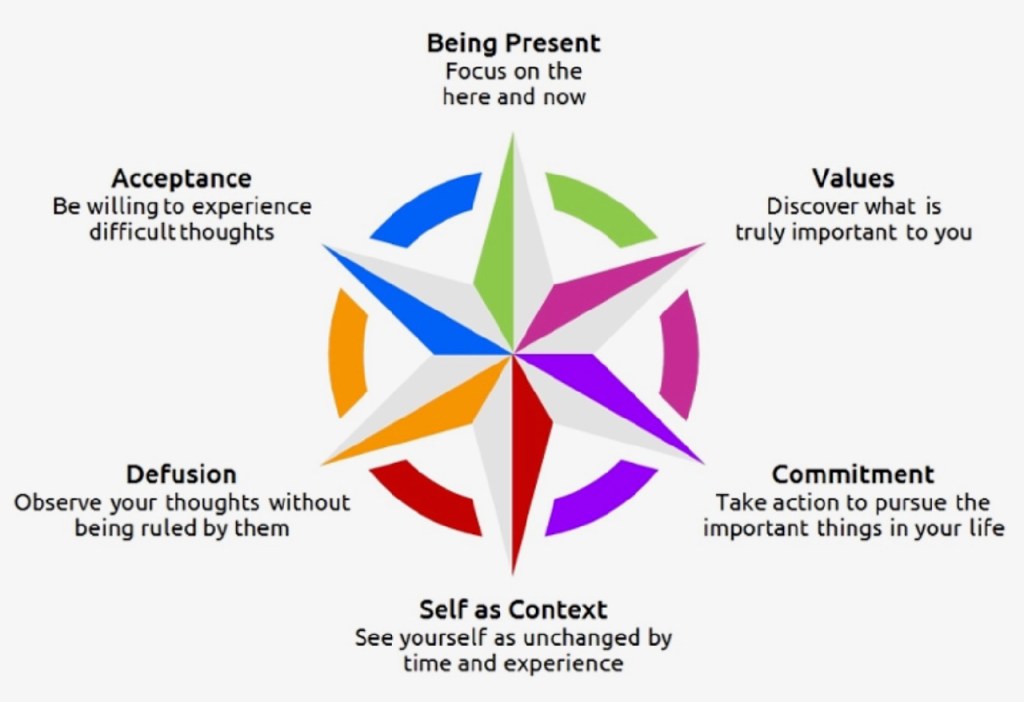
We started the session with a second piece about resilience and the use of Acceptance and Commitment Therapy (ACT). This time we looked at “What to do in a crisis“. You may read the summary here.

Notes from Janet

  • Janet had been to a Dementia Action Group meeting at the Greenwich and Bexley Hospice. The hospice team mentioned that all local hospitals have palliative care teams and patients may be transferred to the hospice for a more relaxing environment: “Palliative care aims to treat people in a holistic way to maximise their comfort and quality of life”. The hospice also has day care available. You can find out more on their site here. Some people may associate a hospice with cancer. However, the definition of a hospice is: a home providing care for the sick, or terminally ill.
  • Janet mentioned the Queen Elizabeth parking hacks while your relative is in hospital – if you speak to reception they will explain how you can park all day for £2.50 or £10 for the week. This is not only a saving, but means you don’t have to worry about time running out on your ticket/rushing out to top up.
  • Janet told the group about Munchkin Beakers. A carer had recommended them because they are non spill – you suck the drink out via the rim. The sucking reflex is one of the last to go, so this can work with people in the later stages and people who just like to lie down while they are drinking. The Munchkin site is mainly designed for kids, but you can see their wide variety of stock here. Supermarkets also sell these and sometimes have offers.


Group discussions

Eating and drinking issues

We talked about issues around eating. Members said their loved one would: one said she would only make herself peanut butter sandwiches – another just eats fish and chips every day – a third often does not eat breakfast/evening meal or does not drink all day. One person would only eat food if it was presented to her. 

A carer had placed a web cam in her mother’s kitchen. Her mum’s weight had dropped to between 5 and 6 stone. The carer found that she would eat in social situations, so had developed this in her visits.

Finding ways to encourage eating and drinking can be difficult, but there are often ways that work. Janet reminded the group that one carer had been successful by leaving snacks around the most used rooms. This led to the loved one “grazing” throughout the day – even though she said she was not hungry. Visual clues can also help.

The Alzheimer’s Society Talking Point discussion forum can provide lots of interactive advice and support. An example is this discussion on eating and drinking problem [from 2018].

Lifestyles

The discussions moved on to living arrangements that gradually become difficult as an individual’s health and mobility deteriorates. A carer described how her mother has lived with a friend for many years. They have known each other for 40 years and the friend is now over 90. The arrangement is now difficult for both of them. Lack of mobility and little understanding of dementia and other issues has resulted in a lot of anger, confusion and a lack of sympathy. The daughter feels guilty, unable to cope and is very stressed, but cannot see a way out of the situation.

The group offered their thoughts. There was also some reassurance that other members had had many of these feelings and issues in the past, but had managed to cope and provide the best support they could for their loved one.

Keeping track of loved ones

Most of us like some fresh air and a walk in the sunshine.  For those with memory problems getting out may be fine, but getting back more tricky. Members had several stories of frantic searches for loved ones, calls to the police and hospitals etc. In one case a search helicopter being put on stand-by – the “missing” person was found in the loft of their care home, sorting out Christmas decorations. Invariable the “missing/lost” person turns up and wonders what all the fuss is about. A member reminded us of her preferred tracker, which has provided much peace of mind. You can find the brand site here (there are many others available).

Continuing Care & Safeguarding

We had the latest instalment from a carer with a mum in a care home. The Continuing care assessment had gone well. There was a lot of serious people discussing serious issues, then mum was suddenly covered in poo – a bit of a reality check. The safeguarding meeting involved even more people from a variety of agencies and the local authority. Encouragingly, positive developments resulted from the meeting. The latest was that mum was happy and out of her room – previously she was becoming bed bound as the home’s opinion was that her aggressive and sometimes violent outbursts made her almost impossible to deal with.

Changes in mood

Mention of aggressiveness brought information from a carer about his wife being aggressive first thing in the morning and last thing at night. Mornings were particularly difficult as she would be very reluctant to get out of bed until around mid-day. The situation was very unpleasant. The carer had made contact with the memory clinic to discuss changes to medication and had arranged additional carer visits to help him. Arrangements seemed to be going well, so that he had planned a break for himself.


We welcomed Shrewsbury House turning on their central heating, as it is getting colder!


Carers’ Group: 12th August

Educational piece

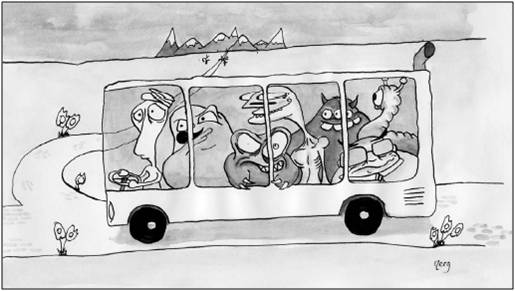
We started with an introductory piece about Resilience and the use of Cognitive Behavioural Therapy (CBT) and Acceptance and Commitment Therapy (ACT). Earlier this year I took part in a four week course on Resilience and found it very helpful. Many of the ideas used in the course I attended were based on CBT & ACT. I asked the group if any of them might have been affected by anxiety, depression and/or stress – they said yes, so I used the linked notes here by way of an introduction to Resilience. I particularly associated with the bus analogy.

We shall revisit some of the helpful exercises and analogies in later sessions.

Discussion topics

Dealing with difficult family members & realising your limitations

A new member of the group told us about the issues she has been trying to resolve, trying to help and support the needs of her mum with dementia – who is in denial, and their primary carer – her brother – who is also in denial. Her story had several similarities to the issues faced by another, long term, member of the group. Our new member had been doing her upmost, with the support of the doctor, but facing a brick wall. As she put it “I feel like I’m on the beach with my feet in concrete, watching my mum drowning in the sea”. The group was very supportive, as ever. They offered suggestions based on tactics that had worked for them, while recognising – you can only do your best. It was great to see people who had joined the group in a very difficult place now being in a position to help others. Our long term member said to me at the end of the session that she was now aware of how far she had come and how much she had achieved, for her mum, when at first she considered the problems she was facing were beyond her abilities to cope. Her mum is now content and safe in a care home, where her daughter can enjoy her visits. Separately, I also provided the linked information from the Alzheimer’s Society here about people with dementia being in denial to the new carer.

Unexpected developments with loved ones

A member said that his dad had suddenly become more lucid, following some hospital treatment. This was good in that he could make some contact with his dad, but it was challenging as his dad asked repeatedly where his wife was (she died three years ago).

Another member said that her husband had a “girlfriend” in his care home. He sometimes thought his wife was his mother. She was happy that he had found a friend, but said the situation was a little unsettling when the three of them were together.

There was another example of a mum who had become friendly with another person in her care home. For a frail old lady, her vice like grip had proved rather too much for her new friend causing bruises and a carer stepped-in to free her. They are now being monitored by the carers.

Those in the group who have loved ones in care homes often say they feel guilt about putting them in the home (however beneficial and supportive it is). They visit the home as often as they can manage. One member said that her mum purely lives in the present – when she visits, her mum is pleased to see her and they get on well – when she leaves her mum forgets about her. So, while our member is constantly concerned about her mum, her mum is not concerned at all.

Meetings/meetings

We had the latest instalment of another care home on-going saga. Following several issues with one particular member of staff there was a Safeguarding Meeting planned. This was in the same week as a review of Continuing Care Funding. Our group member was preparing for more extended discussions (one of her recent review meetings had lasted five hours). The group reminded her of the need to be fully prepared, have notes of previous meeting, take notes at these meetings, obtain copies of the care home documentation and take the opportunity to assertively push the agencies attending to do the best for her mum.

Day Care for young onset

One carer was seeking recommendations for appropriate day care for his wife, who has young onset. He was considering The Meadows day centre, but had noticed on a visit that everyone was old and his wife would not be comfortable with that. It was suggested he could look at Time Court and we said we would speak to another carer who had found an alternative day centre, to find out where it was. It was agreed this was a difficult situation. In the past his wife had tried the young onset group at Age Exchange, but said she did not like it.

An App

We had a recommendation for a jigsaw app for the iPad, called ‘Magic Jigsaw Puzzles’ which had been popular with one of our group’s loved one. It is free (with in-app purchases). We have not tried it, but the link is here.


As always it was a very productive meeting. The new member told us she had never been to a support group before but had found the meeting so beneficial and she would be back next time.


Carers’ Group: 9th July

An interesting evening of discussions, as usual.

We were very pleased to welcome Dean, from Oxleas, who came to this group (and our Friendship Group on 9th July) as part of his induction to his new team.

We also had a new group member join us and were pleased to be able to have a volunteer who could be with her husband in the ArtFix cafe while we ran the group.

Tatiana returned, following her recent marriage.

We started with another information piece. I revisited Playlist for Life, having just completed their on-line training. Reflections now have a variety of inexpensive equipment which can be use for Playlists – all available via Amazon and Poundland [other suppliers are good too!] I demonstrated the equipment and will be taking it to future Friendship Group sessions. We shall compile a book of group members Playlists and use them as background music to our sessions and as the basis for discussion and reminiscence sessions.

Group discussion:

We were very pleased to hear a member had managed to attend his daughter’s wedding in the South West. His wife couldn’t make the journey and he had arranged two week’s respite. The care home had reassured him their home was suitable and “had never had a person with dementia they couldn’t handle”. The home asked him to remove his wife after one night. The home was not able to deliver what it had promised – this cause considerable avoidable stress and the need for plans to be revised at very short notice. Group members discussed the need to do as much research and planning as possible when looking for respite and permanent residential/nursing care. Care homes are businesses and their objective are not necessarily the same as yours.

Several group members told us about the good service and support from care homes they have used/are using. There are good care homes and very caring staff, you just need to find them.

We spoke about stress, feelings of guilt and difficulty in coping with issues around supporting someone with dementia. Counselling was discussed and several members recounted their own experiences. They recommended researching what was available – getting the right support at the right time is a challenge.

A member spoke about her recent decision to find a care home for her mother. She was concerned whether this was the right time to make the move and if her motives were selfish. Her decision was clearly the right one – an incident happened which confirmed that her mother was in need for round the clock support – an unfortunate incident on one hand, but one that ensured that mum was safe, before anything really serious happened.

We ended with a brief guided meditation for those who wished to participate.