Blog

Crumbs! – wot a sing-a-long

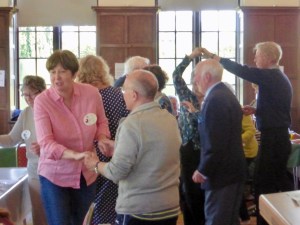
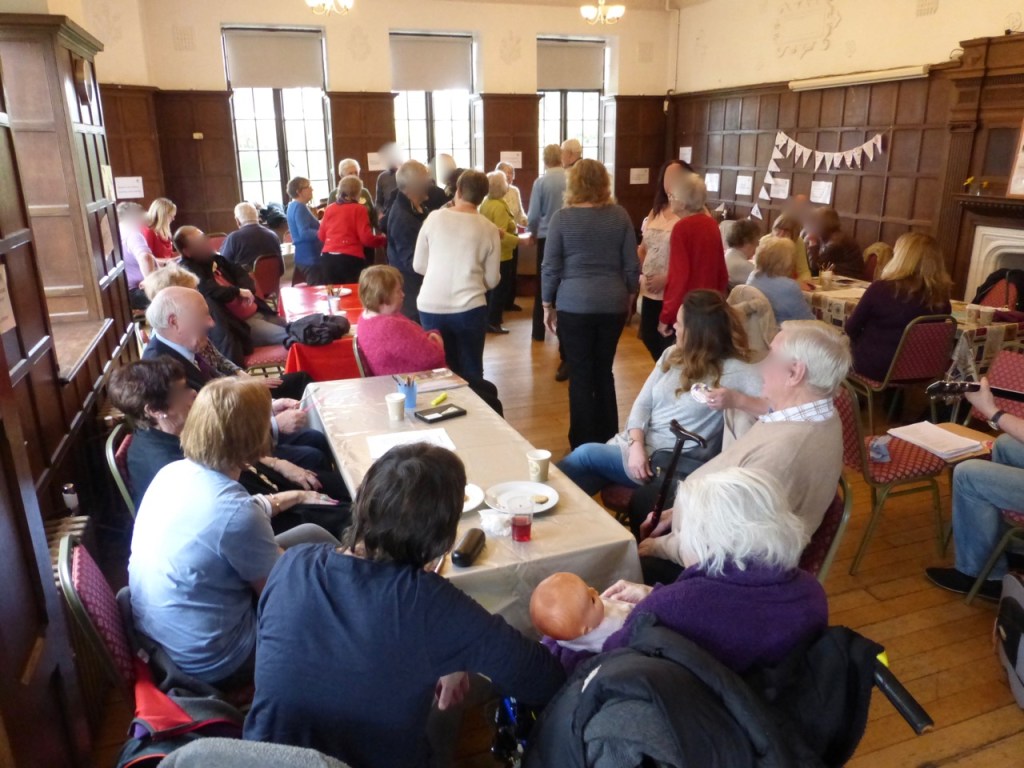
Tuesday 12th was a great day for entertainment. We had the first visit of the delightful Jamie Steen.

He delivered a variety of popular songs in a dazzling series of costumes.

Our audience loved his performance – they were singing an dancing as usual – and we have booked him again!

Everyone will just have enough time to get their breath back before he returns on 24th July.

Carers’ Group: 11 June

We had a detailed discussion of carers’ issues as usual. The group session ended with a presentation:

Department for Health and Social Care – Carers Action Plan 2018 – 2020   Supporting carers today

In the Call for Evidence for this Plan, 89% of the 6,275 participants who responded to this question felt strongly that it was important adult carers received better services and support in future

The Plan sets out the cross-government programme of work to support carers over the next two years. The five priority themes are:

  • Services and systems that work for carers.
  • Employment and financial wellbeing.
  • Supporting young carers.
  • Recognising and supporting carers in the wider community and society.
  • Building research and evidence to improve outcomes for carers.

Actions are detailed under each of the five priorities and it is intended that the action plan will improve the health and wellbeing of carers and support a better experience for them. The Government has said that it will seek to understand the extent to which the actions help to:

  • Increase the number of employers who are aware of caring and the impact this has
  • on their workforce.
  • Support health and social care professionals to be better at identifying, valuing and
  • working with carers.
  • Improve access to appropriate support for carers, including respite care and carers’
  • breaks.
  • Improve the evidence base on carers to inform future policy and decisions.
  • Ensure that the needs of carers are recognised in relevant government strategies.

The Plan is part of wider government action on social issues.

As part of the programme of work on implementation of the Dementia 2020 Challenge:

  • NHS England is working to ensure that GPs are playing a leading role in ensuring coordination and continuity of care for people with dementia and their carers.
  • Skills for Care (SfC) is working in partnership with Health Education England (HEE), Alzheimer’s Society (AS), and Association of Directors of Adult Social Services (ADASS) to ensure that people with dementia and their carers are supported by health and care staff that have undertaken appropriate levels of dementia awareness and training.
  • The Department of Health and Social Care (DHSC) is working with the Dementia Action Alliance to increase the numbers of hospitals who have signed up to the Dementia Friendly Hospitals Charter and to explore options for increasing the number of volunteers in hospitals to support people with dementia.

In addition:

The Department of Health and Social Care and Research in Practice for Adults (RiPfA) will support implementation of social work practice guidance with carers with Principal Social Workers and Carers leads.

The government says it recognises there is more to do and that is why the needs of carers will be central to the forthcoming Green Paper on care and support.

The Plan is available here

Reflections in May

A busy month!

We ran three Friendship Groups in May. Young Tony came along to sing to us as usual. Janet started a new seated exercise session, which was very popular indeed – more of these to come. We had the usual quizzes, aqua painting, dominoes and lots more.

Our regular monthly evening Carers’ Group had us talking about the issues of the day for carers. There was a lot of discussion on how to safely plan a trip away for elderly people who have memory and other issues. As ever the group was mutually supportive and came up with many ideas.

Janet and I spent two days at Oxleas early in the month. The first day was an awareness event, where we had the opportunity to speak to a variety of people with a recent diagnosis and their carers. The second was a chance for us to meet the latest Cognitive Stimulation Therapy (CST) group, have a chat, and invite them to move on to out Friendship Group.

Over five days I addended an introduction course, then started as an “apprentice”, as part of the latest Remembering Yesterday Caring Today (RYCT) group in Woolwich. For more information on the 10/12 weekly themed reminiscence sessions see the comprehensive web site here.

Towards the end of the month I was very pleased to run my 33rd Dementia Friends session. Thanks to Bob the (website) builder for arranging the event. I have now presented to over 700 people as my contribution to the 2.5 million Dementia Friends. If you want to know more about Dementia Friends, please contact me or visit here.

Janet and I then attended the innovative Dementia Action Week event in Woolwich library on the 24th. Angelika had set up a Dementia friendly Street with the help of Richard and the other library staff. The “street” included businesses and services across the borough which have received recognition for being dementia inclusive. There is more about what Greenwich is doing to become a dementia friendly Borough here.

Finally we popped along to the Park Avenue Care home on two days, to sample their entertainment. We were so impressed by one of the singers, Jamie Steen, that we booked him on the spot to perform at our Friendship group. More about Jamie here.

Enjoy the sunshine.

April 17th: Singing and sitting

Another fun afternoon. The sun was shining and a packed room enjoyed Tony’s sing-a-long. He is always popular and there was lots of singing and dancing.


We also launched a guided seated exercise session in our activity room. It was lovely to see that most of the group wanted to join in. As it was popular, we will run it again next time on 1 May.


Dementia Dilemmas

Supporting someone with dementia and the way the illness presents for them may mean at times you will be faced with moral dilemmas as you try to keep the person on an even keel, as well as feel safe and respected, and so you do what you feel is best.

With all decisions, like a lot of things in life, there is no right or wrong answer other than to do your best at the time taking into account your knowledge of the person and what you feel is right at the time.

Telling what can be considered a therapeutic lie might be considered kind and in the person’s best interest at the time but is it ever right to lie to someone outright? How would you feel if someone lied to you? Would you feel it is acceptable?

It is worth bearing in mind that for a lot of people with dementia awareness can vary so if you say something and it is clearly a lie then they may remember on another occasion that you lied to them and this may mean they get angry with you and the trust you have may break down. As we know from the ‘bookcase model’ feelings remain even if the event that triggered the emotion has been forgotten.

Another alternative is to bend the truth. If you are not asked a direct question then you can be selective about how much you say. If you are asked a question outright such as is my mum dead, then you have a choice of answering the question truthfully or redirecting the conversation.

Some examples:

Where is my Mum/Dad? They said they were coming to collect me.

There is no easy way of interpreting what is going on here other than your personal knowledge of the person. There is a lot of thought which says if people are asking for their parents then they are feeling insecure. When we think of parents, if we have been fortunate to have been brought up in a supportive environment then if we think of our parents we think of love, and security. However, it could also be the case the shelves on the bookcase have fallen to the point where the person with dementia believes they are at an age where there parents will be coming for them.

So how might you respond?

  • You could tell them outright your Mum or Dad is dead. They might respond by saying “oh yes, I forgot” or they might get upset and say ‘I didn’t know, why didn’t anybody tell me?” which will mean you will be comforting someone who is upset. For some people they cannot retain the information so each time you tell them their Mum/Dad has died, you may be bringing up feelings of grief and upset.
  • You could ask the person how old they are, and then depending what they say ask them if they think their Mum/Dad is alive? Here you are testing out their ability to reason and reach a logical decision. This may be variable working sometimes and not others.
  • You could ask the person with dementia how they are feeling and maybe is there something specific they want to talk to their Mum/Dad about so perhaps you can help.
  • You could start a discussion about the Mum/Dad. You could say something like “I was thinking about them the other day. Do you remember when… “and come up with some past occasion. This may prompt a conversation about reminiscing and you are steering the conversation hopefully into a happy area.
  • The person might say they are worried about their parents. You could reply that they are safe and there is no need to worry. This is bending the truth but is not a direct lie.
  • You might say your Mum/Dad is at work/ too busy to come right now. This would be a direct lie and you may be found out.

What is the matter with me? I can’t remember things. I used to have a good memory?

How you respond will either open up or close down the opportunity for conversation.

  • You could say you are fine. There’s nothing wrong with you. This would be a direct lie and is shutting down the conversation. Perhaps you find it difficult to talk about what is happening. This however, may be an opportunity to open up a conversation and help the person with dementia talk about their concerns for the future. This could enable them to plan so they live their life based on their values and wishes not those of other people.
  • You could ask “what makes you say that?”.They might tell you how they feel. If you know from previous conversations they have not wanted to hear the word ‘Dementia’ then you could reply saying they have problems with their memory. Whilst this is bending the truth, dementia is more than a problem with memory, you are opening up the conversation and it is still enabling the person to talk about their concerns. It is also worth bearing in mind people can change over time. So whilst initially they may not have wanted to talk about things, later on they might.
  • If they are happy to talk about dementia, then you could say “you have dementia, but you are coping well and I am here to help you so try not to worry”. Your knowledge of the person will help here.

When are we going home?

This is usually a sign that the person is not comfortable in their environment. It can happen when the person with dementia is out on a visit because they feel the need to be in the security and familiarity of their own home or they may be at home and no longer recognise it as their current home. Someone may have lived in their home for 10 years but if the shelves on their bookcase have fallen off beyond this, they quite likely will not recognise their current home.

  • You could say, if you are out on a visit, “we are not going home yet why don’t you have a look at x’ and give them something to try to distract them or start having a conversation with them.
  • You could ask them where is home? Where do you need to get to? Who will be at home now? This will help you determine what period in time they are thinking about and you can then perhaps reminisce about that time perhaps with music and photos.
  • You could say if you live at home, ‘you live her, this is home and you have lived her for x years. This is your home’. This may be the truth, however this is not reassuring to the person with dementia and may provoke feelings of frustration and anger at not being listened to which you will have to deal with. This can particularly happen if you are preventing the person from leaving the house and they feel locked in. You must always be safe so it may be necessary to be prepared to leave the house with them. Hopefully after a walk they may have forgotten about “going home” and you can suggest you both return home.

These are just some examples and you may be presented with others. Each situation will require a response and each response will present a reaction. Whatever you decide, choose not to feel guilty about the decision you make if you are making the decision in the best interest of the person with dementia. Having feelings of guilt will not be helpful to you and nor will they help the situation.


April 4th: Balloon day

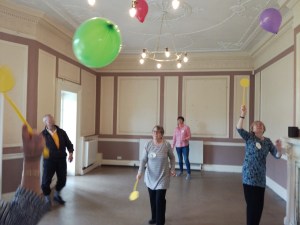
A week for practicing for the knitathon at Mycenae House (this Thursday 10am-1pm see website here), aqua-painting, dominoes and… balloons. Room1 resounded to the sound of people enjoying themselves, hitting balloons with fly swatters, and causing not a few loud bangs when the balloons exploded. Great fun!

Later we had a sing-a-long to classics by Black Lace and a brave attempt to copy the actions for The Court of King Caractacus. Hectic and exhausting… more next time.

Carers’ Group: 12 March

We welcomed a new member to the group and had our usual broad ranging discussion. The group emphasised the need for carers to look after themselves and contact their doctor if they had concerns about changes in the behavior of the person they cared for.

I agreed to circulate an initial draft of out Carers’ Toolkit, built on the input from group members (carers and volunteers) over the last year. While that is being written you might be interested in some advice from the Australia government. The final section is particularly appropriate for this evening’s discussion.


Caring for someone with dementia

Caring for someone with dementia can be challenging both physically and emotionally. If you’re caring for someone living with dementia, it’s important to understand that if their behaviour changes, it may not be anyone’s fault. It can be a good idea to talk to a health professional.

Dementia can influence a person’s behaviour including “wandering”, depression, anxious or agitated states, aggression, hallucinations and false ideas, and loss of inhibition. Although these can be upsetting, there are many strategies that may help.

Some of the tips below may help you to look after a person with dementia, and to also manage your caring responsibilities.

Behaviour and health care advice

How do I manage our communication needs?

You may notice changes in the way the person you care for communicates with you. For example, they may find it hard to find a word, speak fluently, understand, write, read or express emotions. They may also lose normal social conventions of conversation and may ignore what you’re saying or interrupt you.

Here are a few tips for communicating with someone who has dementia:

  • consider other causes of communication difficulties, for instance having their hearing and eyesight checked to make sure that they aren’t a factor
  • stay calm and allow time for them to understand and respond to you
  • remember that they still have feelings and emotions even though they may not always understand what you’re saying
  • use short, simple sentences and help orientate them by describing what you’re about to do, who is about to visit and their relationship with this person
  • try not to argue, be condescending, order the person around, ask questions that rely on a good memory or talk about them in the presence of other people
  • use positive body language and touch because this is an important part of communication
  • be consistent in your approach to communication
  • try to avoid talking in a noisy environment.

How do I manage their eating and nutrition needs?

If someone has dementia, their eating and drinking habits should be carefully monitored no matter if they live in their own home or in a care home. This is because people with dementia may forget to eat and drink, and they may also find it difficult to chew and swallow. Here are a few tips to help you manage their eating and nutrition needs:

  • ask their doctor to check that there isn’t a treatable cause of appetite loss, such as acute illness, depression or denture pain
  • offer snacks and meals regularly, perhaps trying 5-6 small meals a day
  • try an alarm or phone call to remind them about mealtimes
  • only serve one course at a time
  • serve foods that are familiar to them
  • avoid using plates with patterns
  • demonstrate chewing if this seems to be the problem, and eat with the person so that they can copy you
  • if they’re having difficulty with cutlery, perhaps serve them finger foods instead
  • consider nutrition supplements, particularly in later stages of dementia when people tend to lose a lot of weight. Ask a dietitian or doctor about what supplements might be helpful
  • offer drinks regularly. This is particularly important in hot weather
  • encourage and find ways for them to participate in regular physical exercise.

How do I manage their hygiene needs?

You may find that the person you’re caring for loses interest in maintaining their personal hygiene. Here are a few tips to help you manage their hygiene needs:

  • be patient and encouraging about bathing, making certain there’s enough warmth and light in the bathroom
  • play calming music if they like this and choose the best time of day for them for personal care. For example, they may be calmer in the morning so this might be the best time to look after these needs
  • offer limited options, such as the choice between a bath or a shower
  • use simple step-by-step instructions
  • lay out the items needed for a bath or shower in sequence
  • address their fears of water, of falling and of feeling out of control if these are issues. For example, use a basin for washing or a hand-held shower.

Other hygiene needs they may require help with include toileting, shaving, cleaning ears, providing fresh clothes, and maintaining dental care and personal grooming.

How do I manage their continence needs?

When a person has dementia, their mental functions decline and this may result in incontinence (the term used to describe the loss of control of the bladder and/or bowel). This is because being in control of these functions depends on being aware of bodily sensations such as the feeling of having a full bladder and the memory of how, when and where to respond.

There are many ways to manage incontinence including respecting the person’s privacy and dignity in what can be a humiliating situation. Here are a few tips to help you manage their continence needs:

  • observe patterns of when the person empties their bladder and/or bowel and use this pattern to remind them, at regular intervals, to go to the toilet
  • watch for non-verbal clues such as pulling on clothes and increased agitation, and when this happens, use short, simple words to suggest they go to the toilet
  • make sure the bathroom isn’t too far away, the bed isn’t too high to get in and out of, the toilet paper can be easily seen and the room the toilet is in is clearly marked
  • consider installing nightlights in the hallways and in the toilet to help them find their way to the toilet at night
  • install raised bars to help them get on and off the toilet
  • use clothing with elastic and Velcro waistbands so they can easily remove clothing and put it back on again
  • use continence aids and appliances such as pads if necessary
  • introduce regular low-caffeine drinks, a high fibre diet and a regular exercise routine.

How do I manage their sleeping habits?

People with dementia may be confused between night and day, making sleeping during the night difficult. Their sleeping habits may also be affected by:

  • changes in their brain’s biological clock
  • medical conditions
  • side effects of medication
  • depression
  • urinary tract infections causing frequent need for toileting
  • arthritis
  • sleep apnoea.

Sleeplessness can also be caused by:

  • going to bed too early
  • not getting enough exercise
  • drinking too much caffeine or alcohol
  • feeling hungry
  • feeling too cold or too hot
  • poor lighting
  • changes to daily routines.

Ask a doctor if the cause of sleeplessness can be treated. For example, the sleeplessness might be due to depression or the side effects of medication.

How do I manage memory loss?

Here are a few tips to help you manage if the person you care for has memory loss:

  • it’s important for them to carry appropriate identification at all times including their name, address and an emergency contact number. An identity bracelet is ideal for this purpose
  • you may need to consider a few home modifications such as sensor lighting and installing equipment such as automatic cut offs for hot water jugs and other appliances such as the iron
  • labelling doors and cupboards with what is in them such as plates and cutlery
  • place a communication book by the phone or somewhere handy to provide a list of what’s happening and who has been to visit
  • display emergency and commonly used telephone numbers near the phone.

How do I manage if they are confused?

Here are a few tips to help you manage if the person you care for is confused:

  • try not to make any changes to their familiar environment unless they are absolutely necessary. An example might be installing equipment such as a ramp for their safety
  • consider having someone to assist them with medications as they can be a common cause of confusion
  • use a dose administration aid to assist the person to self-administer their medications
  • use notice boards and reminder notes to list the things that are happening or need remembering such as medication
  • install nightlights in the hallways and in the toilet to help them find their way to the bathroom at night
  • easy to read clocks and large calendars can be helpful reminders of the time and date.

How do I manage if they are aggressive?

Here are a few tips to help you manage if the person you care for is aggressive:

  • make sure that relevant health professionals and family and friends know about any aggressive behaviour
  • always look to protect yourself from aggressive outbursts in advance. Plan for safe places in the house to protect yourself or plan to leave the house if this is the safer alternative for you. Try to have locks on at least some rooms in the house
  • look at what triggers the aggression to help minimise the outbursts
  • as much as possible, remove or hide any items in the house that could be used to hurt you — cupboards with locks, especially in the kitchen and bathroom, can help
  • outbursts that occur in public can be especially difficult as many onlookers will not understand the situation. Try not to be affected by ill-informed comments and advice
  • look after yourself during and after an aggressive outburst and seek support from someone you trust to talk about the incident
  • ask for professional advice for ways to manage the aggression. Your doctor or other health professional can advise you about who to contact.

The Australian Government’s My Aged Care site is here


Next Carers’ Group meeting will be on Monday 9 April.

 

March 6th: games day

We had a mix of some of our favourite activities today, including archery

and singing – Agadoo was popular with most of the group…

The quizzes went well too. Here are a few questions from the March quiz.

All the answers start with the letters MAR:

  1. Small ball of glass used in a children’s game.
  2. Indian hemp
  3. Stranded on an island
  4. Bushy-tailed rodent
  5. Planet closest to Earth

Questions from the excellent Golden Carers website


We had our first experience of the new Shrewsbury House cafe today, nice sofa! It is well with a visit, if you happen to be at the top of Shooters Hill SE18.


For info.:

Reflections have just registered with The Small Charities Coalition [thanks for the pointer Deb]. They “help small charities [like us] access the skills, tools and information they need to develop and work effectively”. Their web site is here.

We are also in the process of registering with The National Council for Voluntary Organisations (NCVO). They “champion the voluntary sector by connecting, representing and supporting voluntary organisations”. Their web site is here.


February 20th: Tony’s back again

Another packed day at the Reflections group. Tony sang, with the help of everyone in the room. There was a lot of dancing and not a little fun.

We are all looking forward to the Shrewsbury House cafe reopening at the beginning off March. For group members this should mean we can have lunch, or a snack, at the cafe before the group – and all at reasonable prices in pleasant surroundings.

Carers’ Group: 12 February

We had a broad discussion on issues affecting our carers. Some of the points raised included:


Blue Badge success

One of the group told us that her mother had been successful in meeting the requirements of this parking scheme. While the lady with dementia could walk, to a limited degree, she refused to do so. Following a full assessment the Badge was granted!

You can find more details on the Blue Badge in Greenwich scheme here.


Memory aids

We discussed aids such as diaries, whiteboard and clocks with clear displays including the day of the week.

The Alzheimer’s Society offer suggestions and guidance here


Self-belief and self-worth of the carer

It can be hard caring for someone and your self-belief can sometimes become strained. The group suggested some simple practical options: try looking in the mirror and tell yourself what a good job you are doing; list your achievements; keep a gratitude journal; discuss issues with trusted friends and family.

Some more sensible practical advice from Which here


Your home

Home security can be a worry when you are caring for someone. You also need to consider the implications of letting people into the home of the person you care for. There can be benefits, but what if something goes wrong?

Age UK have advice on home security here


Next Carers’ Group meeting will be on Monday 12 March